
Vaccination drop causes old diseases to return

Vaccines have saved billions of lives over the past 230 years. However, in the UK, for the thirteen diseases for which vaccinations are routinely offered, uptake has fallen to levels where “herd immunity” fails, so outbreaks of polio, whooping cough etc. may not necessarily die out for lack of susceptible individuals. In the last six months, for example, nine babies have died from whooping cough.

The worst problem is with measles, a highly contagious viral infection usually caught during childhood. Symptoms include high fever, cough, runny nose and a whole-body rash. It can lead to severe complications, including blindness, encephalitis (brain swelling), premature births, or death.

Before measles vaccines were introduced in 1963, the WHO estimates that 2.5 million deaths occurred yearly, mainly of children under five. Despite the availability of a safe and cost-effective vaccine, there were still an estimated 136,000 deaths in 2022, with many cases of permanent damage.

Because of its ease of transmission, a high vaccination rate is needed to prevent outbreaks of measles. Herd immunity requires 95% uptake but latest UK figures are only 89% for the MMR1 first dose, with the second, for maximum protection, at only 85%.

For individual boroughs, the ten lowest measles vaccine uptakes are all in London, the worst at around 60% for the two doses (Hackney, Kensington and Chelsea, Westminster). Only 74% of London children are fully protected.

Deaths or serious damage to health from measles are less common in more developed countries, where cases were rare thanks to vaccination programmes. However, the UK had an outbreak of 900 cases in 2018, and over 2,000 reported in winter 2023-4, over a third in London.2

What has caused the drop in vaccination rates? Misinformation has played a large role, starting with Wakefield’s fraudulent research that implicated the MMR vaccine in the development of autism.3 This led to many parents refusing to allow their children to be vaccinated. Wakefield was struck off the medical register, but his lies still influence people 25 years later. 

During the Covid pandemic, anti-vaccine lies and misinformation, including by Wakefield, led to a fall in uptake of all vaccines. One of the greatest achievements of modern science, developing and mass-producing Covid vaccines within a year of the virus’s discovery, was viewed with suspicion, whipped up by conspiracy theorists. The result is a considerably reduced confidence in vaccines post- compared to pre-Covid, affecting all demographic groups.4 In both pre- and post-Covid surveys, Asian-origin and Black people had significantly less confidence in vaccines. 

Many of the vaccine hesitant are influenced by poor experiences with health services; others by religious or spiritual beliefs about the sanctity of the body (though all religions officially support or do not oppose vaccination); others by distrust of authority, seeing conspiracies behind mass public health initiatives. Many reject conventional science in favour of their own “truth”, favouring poor quality studies that support their preconceptions to studies using vast cohorts of subjects that draw statistically sound conclusions. Some Christian denominations, Muslim and ultra-Orthodox Jewish communities have lower rates of vaccination but the reasons are unclear. One doctor in Stamford Hill, referring to an MMR uptake of just 25% in his ultra-orthodox patients, blames “urban myths, misinformation, parental views and peer ignorance”.5 One form of MMR vaccine contains porcine gelatine, unacceptable to many Muslims and Jews (though accepted by the Kashrus and Medicines Information Service and the British Fatwa Council). The other form does not.

Overcoming vaccine hesitancy is not a simple matter. Providing scientific facts to believers in conspiracy theories seems to have the opposite effect to that desired. Community-based initiatives, such as that by the orthodox-based Jewish Community Council or the British Islamic Medical Association, are more likely to succeed. Providing more information to people who know very little about what are now very uncommon illnesses, thanks paradoxically to the success of previous vaccination campaigns, may also help. 

1MMR: the combined measles, mumps and rubella vaccine. Combining several vaccines in one dose reduces the risk of infants missing vaccinations. Rubella, usually mild, can cause serious birth defects. Mumps has many unpleasant symptoms and serious side effects.

2Deaths can occur after a delay: this child died of encephalitis 5 years after catching measles while unvaccinated. https://www.bbc.co.uk/news/uk-england-london-68037622

3https://www.bbc.co.uk/reel/video/p09zhlch/the-origins-of-one-of-the-biggest-frauds-in-the-world-

4https://www.sciencedirect.com/science/article/pii/S0264410X22013378

5https://www.thejc.com/community/jewish-community-urged-to-get-jabbed-amid-measles-outbreak-gq9qu201;
Gain-of-function research in viruses

The US House of Representatives recently approved a ban on “gain-of-function” research that supposedly modifies pathogens so as to make them more dangerous to humans. This may seem like a good idea but there is more to this than meets the eye.

Gain of function (GoF) refers to mutations in genes that render their products, proteins that function as enzymes, transporters, binding agents etc, more active. Such mutations have occurred throughout evolution (as have their opposites, loss-of-function (LoF) mutations). Whether these benefit the organism depends on many factors but the current controversy arises from GoF mutations “deliberately” introduced into viruses.

The motivation for virus research is mainly to understand threats to human or animal health. This involves discovering the functions of viral genes and gene products (proteins such as the “spike” protein that helps Covid bind to human cells, or enzymes that help the virus replicate). One way of studying genes is modifying (mutating) them and seeing what difference that makes. Inevitably, their functions may be enhanced (GoF) or, more likely, diminished (LoF). It is difficult to know in advance what the result will be, so GoF may occur unintentionally. In fact, most mutations make viruses less viable (as with most mutations in any organism).

One area of research might involve giving a dangerous bird flu virus the ability to spread in mammals. This doesn’t sound like a good idea, given that natural mutations of this kind may produce human flu pandemics. However, the justification is that it would allow viruses to be cultured in labs so that their properties could be studied and preparations made for natural pandemics. Of course, lab security is crucial, as with research into anthrax, bubonic plague or smallpox.

There is already a US policy on proposed research that might result in “enhanced potential pandemic pathogens” (ePPPs). This was recently extended from “highly transmissible and virulent” human pathogens to “moderately transmissible and virulent” ones. The House motion (yet to be approved by the Senate) would ban outright all such research, regardless of justification.

Behind the ban seems to be the conspiracy theory that the Covid (SARS-CoV-2) pandemic was sparked, not by viruses jumping from bats to humans, centred on the Wuhan “wet” market, but from GoF coronaviruses escaping from the Wuhan Institute of Virology (WIV). 

In fact, the WIV had been studying transmission of coronaviruses from bats to humans since 2005, following an outbreak of the coronavirus SARS-CoV-1 in 2002-4. It was the WIV that showed the Covid virus to be 96% identical to a bat virus they had identified. It is not clear that WIV’s research comes under the category of GoF but scientists generally agree that, if so, this played no role in the spread of Covid and posed no threat to humans.

The proposed ban follows years of misinformation and scaremongering by anti-science populist Republicans. It was promoted by Rep Thomas Massie, who has history in undermining the response to Covid (he was even criticised by Trump).

Many scientists1 criticise the ban, not least because of the difficulty of defining GoF research. Because it does not define “potential pandemic pathogens”, researchers in the field say the ban could halt work on flu vaccines, Covid vaccines and treatments, and RSV, a common respiratory virus that can cause serious illness. GoF studies are routine in these areas. The fact remains that we don’t know enough about coronaviruses and many other emerging threats, so research, including into GoF, is desperately needed.

1https://www.science.org/content/article/house-approves-ban-gain-function-pathogen-research

Vaping and the young

Tobacco smoking causes cancers and a whole range of life-limiting diseases. The active ingredient of tobacco, nicotine*, is one of the most addictive substances known. As well as denying or suppressing the evidence of smoking harm, tobacco companies have also researched safer ways to deliver nicotine. The problems with smoking are mainly tar, nicotine and carbon monoxide (CO) and the invention 20 years ago of the e-cigarette enabled nicotine to be delivered without the tar and CO.

In order to deliver nicotine efficiently into the user’s bloodstream (and thence to the brain), e-cigarettes vapourise a solution of nicotine with a battery-powered heater; the vapour is then inhaled (hence “vaping”). Nothing is burnt so there is no tar or CO. Solutions may be pleasantly flavoured, appealing to children. It is beyond doubt that vaping is far less harmful than smoking and is therefore preferable to continuing to smoke, if those are the alternatives.

How does nicotine hook people?

Nicotine is quickly absorbed into the bloodstream, rapidly reaching the brain. Here it mimics a natural neurotransmitter, triggering nerve impulses which release dopamine, associated with feelings of pleasure and reward (and loss of appetite). 

This reinforces the behaviour supplying the nicotine but people don’t keep using nicotine merely because it makes them feel good. With continued use, tolerance develops (where more and more is needed to produce the same effect) and addiction.

Quitting

Withdrawal symptoms include intense cravings, irritability, negative mood changes, restlessness, difficulty concentrating or sleeping, and weight gain; some may also experience headaches, coughing, constipation, mood swings, or flu symptoms.

These make it extremely difficult to give up smoking, with fewer than 10% succeeding each year. One study estimates a typical 30 attempts to quit before success. There is some evidence that counselling or giving people money increases rates of cessation.

Some people use nicotine replacement therapy (NRT), patches or gums, but success rates are still low. These are less addictive, however, perhaps because the nicotine reaches the brain more gradually (i.e. there is no nicotine “hit”). Of course, they do not deliver the carcinogens found in cigarette smoke.

Vaping reduces the intake of carcinogens while delivering the nicotine hit as fast as cigarettes. Their use in attempts to stop smoking seem more successful than NRT or simply trying to stop completely. A recent Cochrane review (the gold standard for evidence-based medicine) found that e-cigarettes helped about 10% of people stop smoking for at least 6 months, compared with 6% using NRT or 4% with no support.

Safety of vaping

It is clear that vaping is substantially safer than smoking, even if only to satisfy nicotine addiction. About 7% of the UK adult population use e-cigarettes; of these, the vast majority are ex-smokers, though some continue to smoke (presumably to a lesser extent); a tiny proportion of adult vapers have never smoked. Given that well over half of smokers die of smoking-related conditions, a substantial reduction in harm comes with substituting vaping for smoking, estimated by Public Health England at 95%. 

However, nicotine itself is not harmless, contributing to heart disease and raising blood pressure, a contributory factor to stroke. Furthermore, the solution contains propylene glycol, glycerine and additives. While much less harmful than cigarette smoke (and used in foodstuffs), the long-term effects of inhaling these are unknown. Heat is needed to vapourise these chemicals and can cause breakdown products to form, again with uncertain effects. Many other additives may be used in vaping solutions, some of which have been linked to lung disease and deaths.

Dangers to young vapers

What is more worrying is the uptake of vaping among young people who are unlikely to already be smokers. It seems that, while 6% of 11-18 year olds were smokers in 2022, some 9% were vaping, with estimates as high as 18% for 15 year-olds. These are similar to the percentage of UK adults currently smoking and/or vaping (13%), suggesting that new nicotine addicts will be recruited to the adult population, even if some are using less harmful e-cigarettes.

Young people below 18 have been legally unable to purchase or consume tobacco products since 2007, including e-cigarettes, but this has never stopped youngsters obtaining them. The difference is that vapes are often marketed to be attractive to youngsters and do not produce the tell-tale reek of smoke in the air or on clothing or skin. Advertising emphasises bright colours with fruit flavours. Disposable vapes are available for as little as £2 each, comparable to the price of three cigarettes, while supplying up to 600 puffs. Inevitably, some young vapers will become addicted to nicotine, an addiction which is very difficult to break.

Some vapes are nicotine-free, with no risk of addiction, but some vapes marketed as “nicotine-free” actually do contain nicotine, the product analysis company Inter Scientific reported recently, the highest concentration being 50% higher than the legal limit for nicotine vapes! Trading standards experts report up to a third of vapes sold on high streets being illegal in size or nicotine content. 

Age should be verified by retailers if purchasers look younger than 25 but test purchases by the compliance auditing service ServeLegal have shown that this is not done in a quarter of cases.

What is to be done?

The government proposes to encourage adult smokers to quit by providing free vape starter kits to about 1 in 5, together with behavioural support. In addition, they will encourage pregnant smokers to quit using financial incentives. Given that up to 2 in 3 lifelong smokers die prematurely from smoking and a quarter of cancer deaths are due to smoking, these are worthwhile interventions. They are also proposing a crack-down on vape sales to children through a “vape squad”, though it is not clear how far the promised budget will go. Studies from two years ago showed that vapes with plain packaging are less attractive to youngsters than branded ones, but the government is merely proposing to consult on whether it should go further to reduce youth vaping. Tobacco companies have never voluntarily taken action to prevent harm from their products and there is no reason to expect vape companies to act differently.

*Nicotine is an insecticide produced by the nightshade family, including tobacco, so its effect on humans is purely accidental.

Fusion energy: sunshine or moonshine?

Since the formation of the first stars, fusion of hydrogen into helium has provided abundant energy, coming to us as sunshine. Further fusion reactions in exploding stars have produced all the naturally occurring elements making up the planets. For the past 4.5 billion years, our sun has provided light and heat to Earth, making possible the evolution of life powered by photosynthesis. Some of the Earth’s internal energy comes from the natural nuclear fission of unstable radioactive elements in the core.

Despite Ernest Rutherford’s dismissive comment in 1933, ”Anyone who expects a source of power from the transformation of the atom is talking moonshine,” humans have been able to control nuclear fission, first in immensely destructive atomic bombs, and then, for over 60 years, generating electricity in nuclear power stations. However, harnessing nuclear fusion, the energy source of our sun, has proved elusive (apart from the H-bomb), despite 70 years of research. 

The problem is that, while fission reactions occur spontaneously once a sufficient quantity (critical mass) of uranium-235 has been assembled, fusion reactions require the sorts of temperatures and pressures found in the centre of the Sun. This has been achieved in hydrogen bombs by the drastic expedient of compressing and heating the fuel, not ordinary hydrogen but a mixture of deuterium (D) and tritium (T),1 with an atomic bomb “trigger”. This is obviously unsuitable for safe power generation.

The strategy for safe fusion is to find ways of confining the fuel for long enough so it can reach the required temperature and ensuring that it reaches that temperature. The main problem is that, at such a temperature, the charge becomes a plasma, a gas of ions which tends to escape before the pressure is high enough. There are two approaches to this problem, the tokamak and inertial confinement. In tokamaks,2 a toroidal (ring-doughnut-shaped) vacuum chamber, permeated by an enormous magnetic field, contains a plasma of fast-moving D and T ions and electrons heated to 100 million ºC, hot enough for fusion reactions to occur. With inertial confinement, a tiny sphere containing D and T is blasted with lasers, compressing and heating the fuel.

All designs require an enormous amount of energy input but success requires a greater output. The ratio of output to input energy (Q) therefore has to exceed 1 by a large amount for a commercially viable reactor. So far, the Joint European Torus (JET) has achieved Q = 0.67 while recently producing power for 5 seconds, albeit at a lower Q. The much bigger International Thermonuclear Experimental Reactor (ITER) is projected to produce sustained power at Q greater than 1 from 2035. Meanwhile, the National Ignition Facility (NIF) in California, using inertial confinement, had achieved a Q of 0.7 in 2021 but only for an infinitesimal time.

Last month, in a first for fusion, the NIF achieved a Q of 1.5, the first gain in energy in a nuclear fusion experiment and a positive step on the road to commercial fusion power. However, the details give an idea of how far there is still to go. The experiment involved a tiny peppercorn-sized glass sphere containing the D and T fuel inside a gold capsule. The latter was blasted with 192 lasers, heating it so much that it emitted X-rays which caused the fuel pellet to implode, heating and pressurising the fuel. Inertia meant that there was a tiny fraction of a second for fusion to occur before the gold, glass and fusion fuel flew apart. 

Commercial IC reactors would require a steady stream of such fuel pellets for a useful rate of energy production and, while gold isn’t cheap, tritium costs about 500 times as much. The NIF experiment produced about 1 megajoule (MJ) of energy: at 10 a second, that would be 10 megawatts (MW) of power, 1/100th the output of an average nuclear power plant. No doubt, Q and the throughput of fuel pellets could be increased, but there is still the problem of harvesting the heat to generate useful electricity. 

It is easier to conceive of a commercial tokamak with a continuous injection of D and T into its chamber. ITER, described as the most expensive science experiment of all time and the most complicated engineering project in human history, is planned to produce 500 MW of heat for up to 10 minutes a time. Problems to be examined include the potential damage to the walls of the tokamak from bombardment by high-speed particles, mostly neutrons, which must be captured so that they yield their heat energy. Rare and expensive tritium will also need to be generated from lithium in the walls of the tokamak; the electromagnets will have to be the strongest ever, made of superconducting wires cooled by liquid helium close to absolute zero. The temperature differential between the magnets and the hot plasma at some 150 million ºC will likely be the greatest in the universe.

It is difficult to see fusion becoming a significant contributor to carbon-free energy any time soon but many of its discoveries and innovations may find applications in other areas, as has been the case with the CERN particle-collider.

…..

Where does fusion energy come from?

The famous E = mc2 equation (Einstein, 1905) acquired a startling implication when atomic masses could be measured accurately. One pioneer of this was Francis Aston, inventor of mass spectrometry, who used his machine to confirm the existence of isotopes. Atomic masses, relative to a standard atom (now the carbon-12 isotope with an exact mass of 12 units (u)), seemed to be whole numbers: this was logical because atomic nuclei contain whole numbers of protons and neutrons, each with a relative mass of 1. 

However, more precise measurements came up with puzzling discrepancies. Most astonishing was that the mass of hydrogen-1 (with just 1 proton in its nucleus) was 1.0078 u while that of helium-4 (with 2 protons and 2 neutrons) was not (4 x 1.0078 =) 4.0312 but 4.0026 u. Its mass was 0.0286 u or 0.7% less than it should have been, referred to as a mass defect. 

It was quickly realised that the mass lost was equivalent to the energy released if a more stable He-4 nucleus was made by fusing 4 H-1 nuclei. If 1 kg of hydrogen could be fused into helium, enough energy would be released to boil about 200 million kettles, while burning 1 kg of hydrogen would release enough energy to boil about 200 kettles. 

Conversely, for heavy atoms, mass is lost when nuclei split (or fission) to form lighter atoms. For uranium-235, about 0.1% of mass is converted to energy on fission (which can be controlled) so 1 kg of U-235 could release enough energy to boil about 30 million kettles.

As Aston said 100 years ago, “… if hydrogen is transformed into helium, a certain quantity of mass must be annihilated in the process. The cosmical importance of this [is] greater in fact than any suggested before by science in the whole history of the human race. … Should … some means [be discovered] of releasing this energy in a [useful] form …, the human race will have at its command powers beyond the dreams of scientific fiction.”

This possibility was largely discounted at the time, notably by Ernest Rutherford, discoverer of the atomic nucleus, in his moonshine comment (see above). However, it was realised that fusion of hydrogen into helium explained the energy output of the stars, particularly after PhD student Cecilia Payne3 concluded that stars were overwhelmingly composed of hydrogen, with helium in second place. So Rutherford should have been talking about sunshine.

……..

Footnotes

1Deuterium (heavy hydrogen) and tritium (heavier still but radioactive) are easier to get to fuse than hydrogen. In practice, lithium deuteride is used as it produces more tritium when irradiated during the explosion and boosts the yield.

2Andrei Sakharov, inventor of the tokamak (and father of the Soviet H-bomb), was a consistent and brave opponent of the Soviet regime, campaigning along with his wife, Yelena Bonner, for nuclear disarmament, democracy and human rights, despite persecution. He was awarded the Nobel Peace Prize in 1975.

3Her discovery (“the most brilliant PhD thesis ever written in astronomy”) was rejected by her supervisor who subsequently took the credit for it.

Trustworthiness of research data

I presented this poster at the IASP World Congress on Pain, Toronto 2022. It’s part of some research my colleagues and I are doing on trustworthiness of randomised controlled trials of pain treatments. We discovered a set of papers from one group with extraordinary results. The authors could or would not give us an explanation of why their results were so good. As a result of concerns we raised, the authors have retracted one paper and two others are being retracted by the journals in which they were published (all reputable ones). Others are still being investigated.

We are now looking into how these papers may have influenced the findings of systematic reviews and treatment guidelines.

A public health new deal

A review of The Five Health Frontiers, by Christopher Thomas; Pluto Books

The NHS is seen as the nearest thing to socialism in Britain (“From each according to their ability, to each according to their needs”), its “father”, Aneurin Bevan, wanting to “universalise the best”. Its universalism was soon under attack from Labour itself, with prescription charges introduced in 1951, provoking Bevan’s resignation. The one shilling charge (£0.05 = £1.30 in real terms) has now increased to £9.35.

This and other attacks have met with mainly defensive responses from the labour movement but health expert Chris Thomas wants us to go on the offensive, with his call for a Universal Public Health Service (UPHS) with a far wider remit than that of the NHS, going beyond improving health care for those who are ill to improving health by preventing or delaying illness.

Chris Thomas heads the Institute for Public Policy Research’s recently established Commission on Health and Prosperity, exploring the hypothesis that a fairer country is healthier and more prosperous. This is the message of decades of research by Michael Marmot and colleagues (e.g. the Whitehall Study), demonstrating substantial differences in health and life expectancy between subordinate and superior grades of work and between deprived and well-off areas (see Solidarity, ”Inequality kills”, a review of the WHO report on the social determinants of health and of Status Syndrome, by Michael Marmot, https://www.workersliberty.org/story/2013/03/06/inequality-kills).

Forty-two years ago, the Black Report (commissioned by Labour but published under Thatcher: https://www.sochealth.co.uk/national-health-service/public-health-and-wellbeing/poverty-and-inequality/the-black-report-1980/black-report-foreword/) revealed unequal distributions of ill-health and death among the British, inequalities that had widened since the establishment of the NHS. These were not due to failings in the NHS, but rather to other social inequalities influencing health: income, education, housing, diet, employment, and conditions of work. The Report recommended a wide strategy of social policy measures to combat these inequalities. Its release was delayed until an August bank holiday; only 260 copies were printed; and few people had the opportunity to read it. Social Services Secretary Patrick Jenkin baldly stated that the cost of its recommendations (£2bn per year) was “quite unrealistic in present or any foreseeable economic circumstances”, even if he had agreed with them.

The Black Report’s recommendations covered a better start in life for children, improved quality of life for people with disabilities, and encouragement of good health by preventive and educational action. The Labour Party called on the next Labour government to implement the report, and campaigners in the Socialist Health Association and the Politics of Health Group pushed the issues. One of these campaigners, Jeannette Mitchell, referred to the findings of the Marmot Whitehall Study, then only 15 years old, in her 1984 book What is To Be Done About Illness and Health (Penguin), calling for a radical new integrated community approach. But, despite lip service, Black’s recommendations were not followed after 1997 because of Labour’s commitment to Tory spending policies: by 2005, inequalities had widened. Eventually, however, by the end of Labour’s term, there was some decline in health inequalities, health expenditure having increased from 4.7 to 7.6% of GDP over 13 years but since 2010 these have worsened again.

It is a sign of our weakness that Thomas is now raising exactly the same concerns (and more) as 40 years ago, even though treatments have improved and life expectancy has increased. Thomas’s approach, though, encompasses more influences on health than just the NHS.

First, Thomas shows how the NHS, despite the heroic efforts of its underpaid and overworked staff, falls behind similar countries for such important health outcomes as cancer survival, infant mortality, heart failure treatment, and waiting times for joint replacements and cataract removals. By 2019, we were below average among high-income countries on 60 health metrics, with 4.5 million awaiting treatment (80% higher than under Labour), and below the OECD average for staffing, beds, medicines and technology.

However, the decline of the NHS is not the only factor affecting our health, as shown by Covid deaths. These disproportionately hit ethnic minorities and the low-paid, unable to work from home and forced by poverty to work even when unwell. They are more likely to live in overcrowded, poorly ventilated dwellings, further encouraging spread of infection. Once ill, they are less likely to be able to access the free health care offered by the NHS.

Taking these and other factors affecting people’s health into account, Thomas targets five frontiers for improvement. In addition to the obvious NHS frontier, he adds the social justice, economic, social care and sustainability frontiers, calling for a UPHS to generalise the NHS ethos of collectivism and state intervention into these areas.

NHS: Thomas wants to roll back the markets and targets approach of Thatcher and Blair. The plethora of targets did nothing for health inequality, with “post-code lotteries”, and scandals such as Stafford Hospital, where management had a perverse funding incentive to ignore poor standards of care to focus on targets and balances.

Thomas wants a return to Bevan’s “universalise the best”. This could happen rapidly, says Thomas, showing that change occurred quickly during the Covid emergency, with general practice shifting online, bureaucracy junked, and money for innovation suddenly available. He urges a reversion to ”oversupply” (of staff, equipment and beds) from the present “skeleton crew” approach, which saves money but causes the NHS to be swamped during emergencies, with consequent staff burnout. This would improve resilience but Thomas also calls for investment in social care, should those less unwell need to be discharged during a crisis.

With the increase in long-term health problems in an ageing population, Thomas wants the NHS to become a “wellness” service, helping people live productive lives, despite handicaps. He also wants it to tackle the institutional injustice linked to the legacy of colonialism. The NHS can function only with an international workforce, yet BAME staff are discriminated against and BAME patients receive worse standards of care.

Social Justice: Bad housing and low status precarious employment harm the health of the poor, as Marmot’s research on the social determinants of health shows. So also do inequalities in schooling which lead to poorer outcomes, linked to poorer health in later life. Thomas’s UPHS approach “prescribes” equal education, universal free school meals, healthy housing, ending energy poverty, and an end to low paid, dead-end work.

Economic: The market encourages production of harmful goods, tobacco, alcohol, junk food, gambling … and fossil fuels. It promotes bad work conditions, job insecurity, long hours and low pay. Higher profits come at the expense of workers’ and consumers’ health but governments put the onus on individuals to change their behaviours.

Thomas wants the liability for poor health to be transferred onto the capitalism that causes it. A new target, Public Health Net Zero, would be achieved through financial disincentives (like the soft drink “sugar tax”), regulation (as in smoking bans), and new ownership models (like the Swedish state alcohol monopoly).

Social Care: Care for people with disabilities or long-term illness was never included in the NHS. Despite increasing need, with an ageing population, provision remains low quality, patchy, unreliable and expensive, while its workers are poorly paid. In England and Wales, some 1.5 million over-65s have unmet needs impairing their quality of life.

Thomas wants a National Care Service (NCS) as a minimum. He calls for “the right to a brilliant life”, with NCS-provided personalised, empowering, high-quality, well-paid care, keeping people in their homes and communities as long as possible.

Sustainability: For Thomas, “health security” includes cooperating with global responses to climate change which makes health problems worse, and habitat loss which brings people closer to (pandemic-)disease-carrying wild animals.

Thomas costs this Public Health New Deal (PHND) at £100 billion per year, as much as cut from public spending by Tory austerity policies and dwarfed by stimulus injections by other governments.

However, the PHND is not just about money: Thomas emphasises the need to remove the private companies infiltrating the NHS. For example, he calls for GPs to be nationalised (not done by Bevan), so that practices cannot be bought up by private companies. Also, regions with greater health inequalities need greater autonomy in spending.

This sort of policy should be first nature to Labour but it is not even using its present identification with the NHS to increase support. Thomas cites the frankly incomprehensible statistic of 42% of health workers voting Conservative in the 2021 local elections, despite real-terms pay cuts, staff shortages, and Covid mismanagement. Rather than merely defending the NHS, Labour needs to get behind the radicalism of the PHND.

20,000 [EXTRA] days: a history of life expectancy

Smallpox vaccination

Throughout history, life expectancy (LE) has been around 30 years, sometimes lower, e.g. with the adoption of agriculture, plague, or cramming the new industrial working class into slums (described in Engels’ Condition of the Working Class in England; he called their accelerated deaths “social murder”). Marx predicted increasing immiseration of the working class relative to the ruling class so it is doubtful whether he could have predicted what would actually happen to all classes, LE more than doubling in under 200 years, an average extra 20,000 days of life.

A sharp change

Though the rich usually lived longer, average LE remained constant until about 1720. Then the aristocracy’s LE started increasing, followed from about 1850 by everyone else. Since then, LE in Britain has more than doubled to over 80. The book* Extra Life: A Short History of Living Longer (Stephen Johnson) and the BBC/PBS documentary** of the same name (presenters David Olusoga, Stephen Johnson) show how improvements in our lives have caused this astounding development.

This increase is due not to evolution — the oldest in our hunter-gatherer ancestors were of a similar age to our present-day elders (and fitter) — but more to reducing infant (and only secondarily adult) mortality. The innovations extending LE can be summarised as improved nutrition, public health measures, and medical interventions.

Johnson estimates lives saved by such changes in terms of millions, hundreds of millions and billions.

Innovations

The innovations which saved “millions” include AIDS cocktails (combinations of anti-HIV drugs), anaesthesia, angioplasty (unblocking coronary arteries), antimalarial drugs, CPR, insulin, kidney dialysis, oral rehydration therapy (ORT: to treat diarrhoea, a major child killer), pacemakers, radiology, refrigeration, and seatbelts. The “hundreds of millions” innovations include antibiotics, bifurcated needles (simplifying smallpox vaccination), blood transfusions, drinking water chlorination, and milk pasteurisation. And the “billions” comprise artificial fertilisers, toilets and sewers, and vaccines.

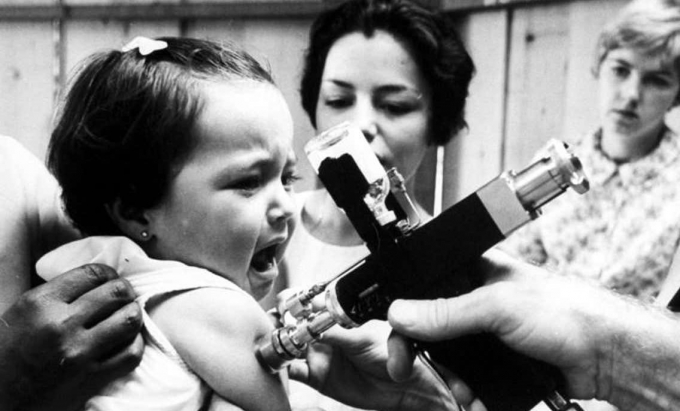
Programme 1 in the TV series deals with vaccination, starting with smallpox. A scourge for at least 3,000 years, smallpox had 30% mortality, higher among babies, with survivors “pockmarked” or disabled. In the 20th century, smallpox killed four times as many as died in both world wars..

The last smallpox death occurred in 1978. The last “wild” case, in 1977, was a Somali who had refused the vaccine. He survived. Smallpox was eradicated by global cooperation; following that, LE in low-income countries rose from 42 to over 60. Vaccination for many diseases has saved billions of lives.

Effective medical drugs contributed much to increasing LE. Previously, as programme 2 shows, many medical “cures” comprised actual poisons. Johnson and Olusoga (J&O) cite Duffield’s Concentrated Medicinal Fluid Extract, containing belladonna, arsenic and mercury. Others contained lead, antimony, radium (!), benzene, strychnine, or some combination. While these likely lowered LE in patients, effective drugs such as penicillin probably increased it by about 30 years.

Before World War 2, bacterial infections were the most common cause of deaths (e.g. of my grandfather, aged 30, and my mother-in-law’s two toddler siblings) but are now largely survivable, thanks to the discovery of penicillin, the international wartime collaboration which helped make it widely available, and other antibiotics.

J&O retell the 1941 story of policeman Albert Alexander, dying from an infection caused by a scratch from a rose thorn. Temporarily recovering with penicillin treatment, he relapsed and died when the then-scarce drug ran out.

Later, drugs that inhibit viruses were developed, including “cocktails” of antiretroviral drugs that have prolonged the lives of millions of people with HIV. In 2020, the RECOVERY Trial found that dexamethasone, a cheap anti-inflammatory, increased survival from serious Covid infections, so far saving a million lives worldwide (though hydroxychloroquine and ivermectin have no effect).

These breakthroughs are from publicly funded initiatives: as J&O highlight, antibacterial and antiviral R&D require large investments with no guaranteed return. Now, basic scientists are using AI to bypass drug companies to discover antibiotics to replace those against which resistance has developed.

The role of data

One crucial innovation J&O highlight is the use of data in epidemiology. Indeed, without data, we would have no idea of LEs and what people die of. This branch of medicine was virtually invented by Dr John Snow, who analysed the pattern of cholera cases in Soho in 1854, identifying the Broad Street pump, with sewage-contaminated drinking water, as their origin. Cholera in the 19th century could kill within two days by diarrhoeal dehydration (death rates nowadays are far lower, thanks to ORT). Evidence of its spread by contaminated drinking water encouraged the building of the still-operational Victorian sewer system.

Despite that, a further outbreak of cholera occurred in East London in 1866, killing over 5,500: in a triumph of data analysis, medical statistician William Farr used information about cholera cases to identify the East London Waterworks Co as the source, with a specific reservoir polluted by waste from a faulty WC in a house whose occupants had cholera.

Recently, epidemiological data have revealed health inequalities, including significant differences in survival from Covid amongst white, black and Asian communities in East London. This is not genetic but environmental: living conditions, types and conditions of work, the effects of racism. This disparity is no surprise: 125 years ago, black sociologist and socialist W E B Du Bois meticulously collected data on deprivation among the black population of Philadelphia, whose child mortality was twice that of whites.

Other examples include the scandal of lead from petrol affecting poor urban children’s development. Herbert Needleman measured lead in children’s baby teeth in the 1970s, linking this to cognitive impairment. It took decades to phase out leaded petrol, against resistance from the lead industry.

Hygiene

Lastly, J&O look at the effects of hygiene behaviour. In the 1800s, with filthy streets, no running water, and no knowledge of germs, the importance of hygiene was not realised. One pioneer, Ignaz Semmelweiss, found that, of two wards in the 1840s Vienna maternity hospital, the doctor-run one had a far higher death rate from puerperal fever than the midwife-run one. He observed doctors going from dissections in the pathology laboratory to the labour ward and deduced they were passing something on their hands.

Hand-washing reduced deaths by 90% but the medical establishment rejected Semmelweiss’s proposal to make this routine. He was sacked.

Florence Nightingale analysed deaths of soldiers in Crimean War field hospitals, showing that most died from infections. Increased sanitary precautions (such as washing hands) reduced deaths by 99%. This evidence for the germ theory encouraged hygienic practices, adopted in surgery by the 1890s and then spreading to the general population. More frequent washing helped reduce infections, increasing LE by 20 years in the early 20th century. Soap destroys bacteria and viruses, explaining the reduction in many infections with the increase in hand-washing during the Covid pandemic.

LE has not always risen: there have been dips due to world wars, the 1918 influenza pandemic and the Covid pandemic, but overall we have gained some 20,000 days over our fairly recent ancestors. This book and documentary series show how.

*https://www.penguinrandomhouse.com/books/594501/extra-life-by-steven-johnson/ [£20 in UK]

**https://www.bbc.co.uk/iplayer/episodes/m000w6s7/extra-life-a-short-history-of-living-longer [available for 4 months]

Malaria kills more than Covid in Africa

We wrote recently (see previous post) about the first effective vaccine against malaria, which should be widely available in a few years. However, malaria continues to take a terrible toll: 409,000 deaths in 2019, 94% (384,000) in sub-Saharan Africa (1 in 600 infections).

While Covid has killed many more worldwide, the age profiles of the most vulnerable are reversed. Covid kills mainly over-80s while malaria kills mostly under-5s. Their deaths, about 250,000 per year, dwarf counted total Covid deaths in sub-Saharan Africa, which are under 30,000.

Pregnant women also have a higher risk of miscarriage and prematurity. In Nigeria, where a third of African malaria deaths occur, almost all Nigerians are at risk, with 30% of child and 11% of maternal deaths due to the disease.

Incidence of malaria worldwide

Once prevalent over 53% of the Earth’s surface, since 1900 the area subject to malaria has halved, with global mortality down by 90%.

This is due to campaigns to eradicate malarial mosquitoes, measures to prevent infection, and improved treatments. China is the latest country to be declared malaria-free. Europe was declared malaria-free again (!) in 2015: it had been malaria-free in 1975 but the disease re-emerged for political and socioeconomic reasons, population movements following the First Gulf War, and interruption of prevention measures. Even in Africa, where the highly virulent Plasmodium falciparum parasite prevails, deaths have fallen by 40% in the last 20 years. However, the WHO reports that efforts to curb malaria in Africa have stalled and may be reversed as a result of Covid.

Malaria may cause more excess death in Africa than Covid itself. A 25% reduction in anti-malaria efforts could lead to perhaps 46,000 additional malaria deaths per year, mostly children (according to the BMJ).

How to eliminate malaria

Only concerted, combined approaches can fully eradicate malaria. Ronald Ross established the role of mosquitoes in malaria by 1897 and this knowledge began to inform anti-malaria measures. US Army Surgeon-General William Gorgas was the first to tackle malaria with mixed measures. Charged with eliminating malaria and yellow fever in Havana and, in 1904, during construction of the Panama Canal, he had ponds and swamps drained, fumigated buildings, introduced screens to keep mosquitoes out of buildings, and provided mosquito nets.

Thirty years later, Mussolini inaugurated the Bonifica Integrale scheme in the Pontine marshes, known for malaria since antiquity. First, the marshes were drained and replaced with agricultural land, killing residual larvae with Paris green. Then healthy housing was built for 60,000 settlers. Thirdly, malaria infections were treated with quinine, while people were educated about the causes and prevention of malaria. This reduced the death rate from malaria in Italy by over 80% by World War 2. Post-war campaigns eradicated malaria in Italy by 1971.

Other multi-pronged approaches include use of Paris green, mosquitofish and oil in breeding areas in Corsica in 1929 and, in the plains of Palestine (1922-26), drainage of marshes, quinine as treatment and prophylactic, cleaning water channels, and spraying of oil and Paris green, virtually eliminating malaria.

Reconquest of malaria in Europe after its re-emergence in the 1990s required a similar combination of approaches: commitment of governments, support from WHO experts, adequate funding, detection and surveillance of cases, integrated control measures, community involvement, cross-border collaboration, and education of at-risk populations.

The problem of malaria in Africa

Two Nigerian medical sociologists describe some of the problems with anti-malaria efforts in Africa and argue for concerted approaches as in Europe and America, incorporating environmental considerations.

Funding is crucial: money from donor countries rose from 2000, with malaria deaths falling by 40%, until 2016, when funding fell to about half that required. The worst-affected countries have lower GDPs, partly due to malaria’s economic impact.

Then there’s politics: colonialism’s legacy is a patchwork of states often delineated by rivers, mountains or straight lines on a map, with ethnic groups split or forced together. Many are dictatorships or kleptocracies, often linked to dominant ethnic groups, bringing separatism and civil wars, and militating against the organisation (or even the will) needed to bring health services to all.

The use of insecticide-treated nets (ITNs) is a success story: over half of children and pregnant women slept under these in 2019, compared with 3% in 2000, substantially reducing mortality. However, ITNs need replacing regularly, and some mosquitoes have developed resistance (ITNs may also be misused, e.g. as fishing nets).

Prevention of infection with prophylactic drugs is important for pregnant women but these still reach only a third of African women at risk.

Mosquito breeding in stagnant water is still a major problem, exacerbated by dam construction. Swamps and ponds near villages, poor sanitation, and cramped wooden housing all exacerbate the risk of infection, but dealing with these is expensive.

Climate change may worsen the malaria threat since low temperatures limit mosquito survival. Mosquitoes will colonise higher altitude regions with warming and increased rainfall.

The best approach, say the sociologists, is to combine ITNs and prophylaxis (and drug treatments for sufferers) with measures to restrict breeding by improving sanitation, removing waste heaps, undergrowth near dwellings, removing ponds and stagnant water from villages, and improving housing to limit insect entry.

The message is that malaria can be eliminated, not with vaccines, but by a combination of concerted physical, chemical and medical methods.


Responses to malaria

Genetic

Malaria exerted extreme selection pressure on humans to evolve mutations to increase life expectancy in the young where it was most prevalent, resulting in several gene variants, most commonly those associated with thalassaemia and sickle cell anaemia. They alter red blood cells, making it more difficult for Plasmodium to infect or survive in them but, for sickle cell and thalassaemia, two mutant genes (one from each parent) cause severe illness.

Medical

The effective treatment, cinchona bark, was discovered by missionaries in South America in the 1600s. Its active ingredient, quinine, kills malarial parasites; alternatives such as chloroquine have since been developed. These also prevent infection but the parasite can evolve resistance. The ancient Chinese remedy, sweet wormwood, contains artemisinin which also kills malarial parasites (drug isolated by Tu YouYou, who received a Nobel Prize for this).

Environmental

Mosquitoes need stagnant water, such as ponds, swamps, marshlands, and rice paddies for their larval stage. Draining these or spraying with oil reduces breeding opportunities.

Physical

Screens to prevent mosquitoes entering dwellings are relatively expensive and rely on the absence of gaps. Nets have long been used to exclude biting insects at night. ITNs prevent about 50% of infections, reducing child deaths by 18%; their use may have prevented about a billion infections since 2000.

Chemical

Paris green, which contains copper and arsenic, kills mosquito larvae: it was used to eradicate malarial mosquitoes in Italy in 1934 and in north-east Brazil in 1940. The most successful insecticide, DDT, was used to eradicate malaria in parts of Italy by spraying inside houses and outbuildings, and then in the USA (1947-52). Predictably, resistance to insecticides has evolved, limiting their effectiveness.

Good wind for malaria vaccine

Vaccines have been prominent during the course of the Covid pandemic, with the development of several highly efficacious ones (over 90% protection) in less than a year. Even though much preparatory work had already been done, this was an outstanding achievement. Contrast this with the case of malaria, a scourge for thousands of years. After 200 years of vaccination techniques (one of the first examples of doctors actually preventing illness), and 50 years of research into a malaria vaccine, only in the last few weeks have we heard of one, R21, which is 75% effective against malaria (the WHO target), an improvement on its predecessor, RTS,S, at about 55%.

Malaria, despite its name (Italian: mal’aria = bad air), is caused by the protozoon* Plasmodium, a parasite of insects and vertebrates. Infection is transmitted in the bite of the mosquito, the females of which require blood meals to provide protein for egg production: those infected with Plasmodium parasites in their salivary glands inject them into their victims; mosquitoes are themselves infected when they take blood from a malaria sufferer.

The extent of malaria

Malaria features in recorded history from the earliest times, probably becoming a major problem when agriculture first developed and population densities became great enough to support endemic illnesses. Plasmodium parasites have been found in a mosquito preserved in amber from 30 million years ago. Mosquitoes date from the Jurassic period, Plasmodium probably from a similar time, so it is quite plausible that dinosaurs could have caught malaria. 

At its greatest extent, malaria affected every continent except Antarctica (being imported to the Americas by Europeans). In England, as ‘ague’, it was common in coastal marshlands, including London, causing significant mortality: mentioned in eight Shakespeare plays, malaria may have caused the death of Oliver Cromwell. It was eliminated by the draining of marshes, the last natural UK cases being in the early 20th C. Nowadays, it is largely confined to the tropics, with over 90% of cases being in sub-Saharan Africa. Through debility and deaths, malaria imposes a substantial economic burden in health costs and loss of productivity, hindering the growth of affected countries. The WHO estimates 230 million cases in 2019 worldwide, with 400,000 deaths, two thirds being of children under five.

Malaria and human evolution

In earlier times, when the cause of malaria was not known, it exerted a significant selection pressure on human populations. Genes providing a measure of protection spread in susceptible populations since their possessors had a better chance of surviving to adulthood. These genes coded for the production of mutant forms of haemoglobin which somehow interfered with the infection: resistance to malaria was greatest in individuals carrying one normal haemoglobin gene (inherited from one parent) and one mutant gene (inherited from the other). However, those children inheriting two mutant genes suffered from severe life-shortening anaemias, the most common of which are sickle cell anaemia (among people of African ancestry) and thalassaemia (among those of Mediterranean ancestry). Back in the 1940s, the socialist geneticist, JBS Haldane calculated that heterozygotes (i.e. one normal and one mutant gene) for thalassaemia had a more than 2% survival advantage over those with only normal genes in areas of high malaria incidence, even though the double mutant caused very painful and debilitating symptoms, before an early death. The latter is a serious problem among descendants, who are no longer at risk of malaria, though life expectancy has been greatly increased by modern medicine.

Defences against malaria

Simple physical barriers to biting mosquitoes, such as insecticide-treated bed nets, prevent infection while sleeping. Spraying insecticides (such as DDT) in mosquito breeding grounds or in homes helped reduce numbers of mosquitoes but the insects started evolving resistance; there were also adverse effects on other wildlife. Drugs, such as quinine and artemisinin (both from folk remedies), which interfered with Plasmodium’s life within red blood cells, were and are effective but resistance has quickly evolved. Other drugs, such as chloroquine and Lariam, can get round resistance to earlier drugs but resistance to these is now known, too.

Vaccines against malaria: the problem

As with smallpox, polio, and several major killers of children in the past, a vaccine against malaria would seem the ideal solution. If used widely in the most affected regions, the disease would eventually die out, since Plasmodium requires both parts of its lifecycle to take place. One major problem with a malarial vaccine is the lack of investment by states and drug companies in the developed world, now that malaria is no longer seen as a threat.** But the crucial problem is the complexity of the Plasmodium lifecycle. 

The malarial parasite’s lifecycle

When injected (as the sporozoite form) into the blood by the bite of an infected mosquito, Plasmodium parasites rapidly enter liver cells (hepatocytes), where they are hidden from the immune system. There, they change into the merozoite form and multiply into some 30,000 descendants. The hepatocytes burst, releasing the merozoites into the blood, where they enter red blood cells (RBCs). Here, the merozoites consume haemoglobin as their food and multiply about 20-fold; they are released in waves to infect more RBCs. As they are released, the victim feels fever, chills, body aches, headaches and nausea, with each subsequent wave worse, as the number of infected RBCs increases up to 20-fold each time. The victim becomes anaemic and organ damage occurs as infected RBCs clog up small blood vessels; excessive inflammatory responses also harm the victim. Complications include organ failure, cerebral malaria (causing coma, brain damage or death), hypoglycaemia, and breathing difficulties.

In time, the merozoites form male and female sex cells (gametocytes). If taken up in the blood meal of another mosquito, these fertilise each other and new sporozoites are formed in the mosquito’s salivary glands, ready to infect another victim and complete the cycle. 

The body does mount an immune defence to the Plasmodium parasite but this is of limited effectiveness, hampered by the fact that, for the vast majority of the time, the parasite is “hiding” inside hepatocytes or RBCs, where antibodies and white blood cells cannot go. The youngest children are particularly vulnerable to malaria as they have not yet developed a specific immunity to infection. Adults may be able to develop some immunity which may reduce the intensity of recurrent infections.

The new vaccine, R21

Plasmodium produces many proteins on its surface (antigens) that might produce an immune response but these are only visible to the immune system for short periods of time, when it is free in the blood prior to infecting a hepatocyte or RBC. Furthermore, its rapid reproduction rate allows evolution in these surface proteins so they can evade specific antibodies. The vaccine candidate R21, and its less effective predecessor, RTS,S,  are targeted at the circumsporozoite protein (CSP). This is used to attach to hepatocytes before invading them and is highly conserved, meaning that it cannot evolve without losing its efficacy and disrupting Plasmodium’s lifecycle. The recently reported R21 trial claims about 75% effectiveness in preventing infection in children but larger trials, just starting, are needed. Other vaccines targeting the merozoite surface proteins similar to CSP are also planned. This could be the beginning of the end of one of humanity’s worst natural enemies.

*a single-celled organism related to us, not to bacteria, similar to Amoeba. Protozoal infections include amoebic dysentery, Chagas disease, African sleeping sickness, and toxoplasmosis. There are no vaccines against protozoal infections apart from the newly developed anti-malarial ones.

**Readers might like to ponder the role of the Bill and Melinda Gates Foundation in funding much of this research.

Vaccines and blood clots

Does the AstraZeneca vaccine (AZV) cause rare and dangerous types of blood clot? Probably yes, and AZV is now not recommended for people under 30. Let’s look at the overall picture.

Out of 4.4 million people confirmed to have Covid-19, over 150,000 have died. That’s about 34,000 per million confirmed cases. Confirmed cases are likely to be an underestimate of actual cases but, taking the highest estimate, the fatality rate is still at least 10,000 per million cases or about 1%. In principle, mass vaccination should eventually be able to reduce Covid infection rates, and therefore deaths, to almost zero. However, if the vaccines themselves carry a risk, they may cause some illness and deaths. This is just what has been claimed for AZV, with reports of blood clotting (venous thromboembolism — VTE) and deaths.

Here, it might be useful to look at the problem of inappropriate blood clotting in general. Clots form to prevent us from bleeding to death from cuts but if a clot forms inside a blood vessel (typically a leg vein), bits can break off and lodge in a narrow vein somewhere else, blocking blood flow (mostly VTEs). If in the lungs, this causes pulmonary embolism (PE).

NICE estimates 2,000 cases of VTE per million occur each year, of which about 750 per million are cases of PE (other estimates are available!). The risk is far higher for older and far lower for younger people, 5,000 per million for over-85s versus 100 per million for under-40s.

We would expect some cases of VTE to occur naturally during the time following a vaccination. Let’s say that the relevant time period for the immune response is a month: for 22.6 million people, we might expect one-twelfth of a year’s cases to occur, about 3,600 for the average population but more for the older population that made up the majority of the vaccinated. In fact, yellow card (adverse event) reports for AZV total a bit less than this, at around 3500 for thrombosis-related events (though not all such events will have been reported).

The question of risk has particularly arisen with AZV, where rare cases of abdominal and brain blood clotting have occurred. AZV seems to be linked to the incidence of blood clots in connection with thrombocytopenia (low platelet count in the blood). In particular, AZV is linked to a rare type of clot in the brain, cerebral venous sinus thrombosis (CVST). There have so far been 242 cases of clotting with thrombocytopenia, including 49 deaths, among 22.6 million first doses of AZV (latest government figures on 28 Apr). This gives a risk of about 11 cases (with 2 deaths) per million doses. Of these, 140 were cases of CVST, including 16 deaths. This is about 6 cases (with 0.7 deaths) per million doses. People affected ranged in age from 18 to 79 years, two-thirds women, whereas Covid-19 deaths are skewed towards men and much older groups.

The question now arises of how many cases of CVST might normally be expected. Estimates vary, partly because it’s difficult to diagnose CVST (a brain scan with a specialised form of magnetic resonance imaging is needed), but boil down to around 0.7 per million per month so, on the face of it, the number of cases with AZV at 6 per million doses seems rather higher. In view of this, despite the small number of cases, it makes sense to offer an alternative vaccine to the younger age groups, whose risk of serious illness and death from Covid-19 is very low.

Overall, however, we should remember that Covid-19 brings a risk of death of about 10,000 per million cases, with a greater risk of lengthy hospitalisation and a variety of long-term symptoms (not least PTSD) which can be very debilitating. (The experiences of children’s author Michael Rosen illustrate this well).

We also know that Covid-19 itself comes with a serious risk of blood clots, either from the effects of the virus (causing severe inflammation, triggering the clotting system) or from patients being immobile at home or in hospital, especially in intensive care. Immobility raises the chance of deep vein thrombosis (DVT), which accounts for some 40,000 hospital deaths per year (nearly half preventable by better care such as mobilisation of legs, anticoagulant drugs or wearing compression stockings).

Covid sufferers have had life-threatening clots in legs, lungs, hearts and brain. These have led to heart attacks, strokes, pulmonary embolisms or amputations; if not fatal, these can lead to long-term debility.